
Stationary detector for explosives and narcotics
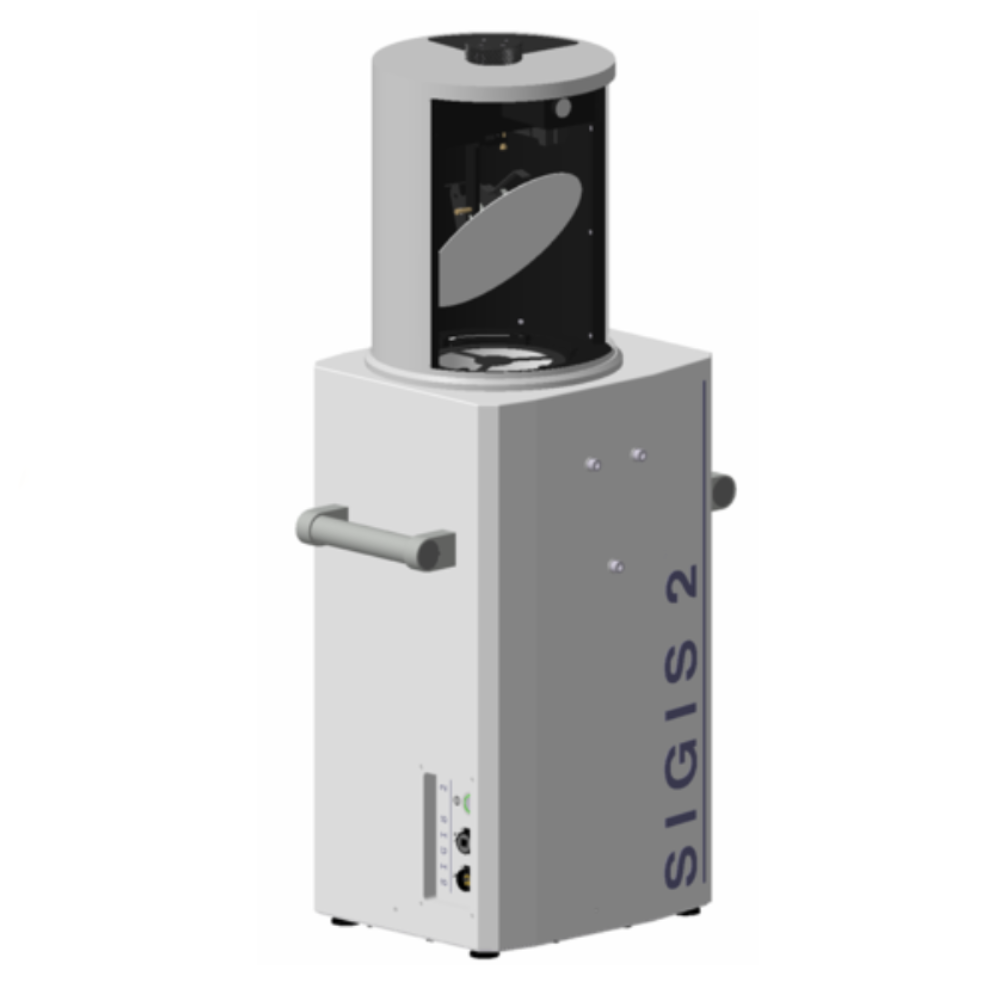
Characteristics
The SIGIS 2 system (manufactured by Bruker Optik, Germany) is based on a new technology that uses passive infrared absorption spectroscopy and enables simultaneous spatial scanning. Infrared absorption spectra are acquired sequentially, using the atmospheric background or terrain as the source of infrared radiation (passive technology). A defined area is then scanned using a narrow spatial angle.
The result is an image (map) in which each point is associated with a complete IR spectrum acquired by a high-resolution FTIR spectrometer (examples of methanol and ammonia spectra are shown in Fig. 1). The system is therefore capable of detecting not only the presence of hazardous substances, but also providing information on their distribution and dispersion across the terrain.
If the same area is monitored simultaneously by two SIGIS instruments from different locations, information on the 3D distribution and dispersion of hazardous substances throughout the monitored area can also be obtained.
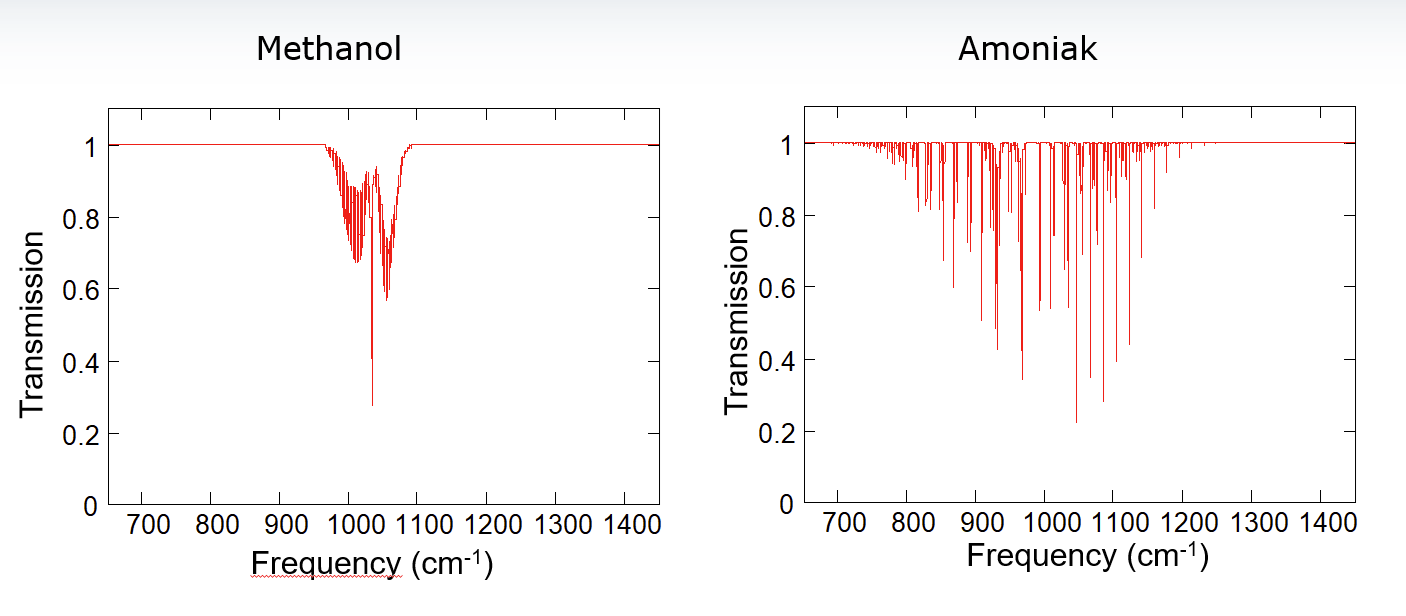
Fig. 1: Examples of methanol and ammonia spectra.
The SIGIS 2 system consists of a scanning unit with a parabolic mirror and a high-speed FTIR spectrometer. It can be installed in a vehicle (Fig. 2), in a helicopter (Fig. 3), or at a suitably selected stationary location.
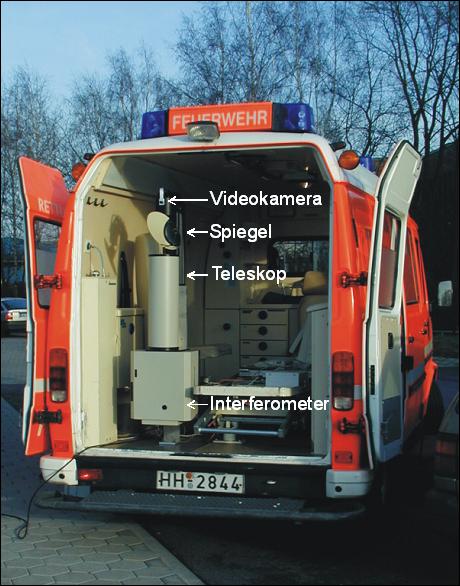
Fig. 2: SIGIS 2 and its installation in a vehicle
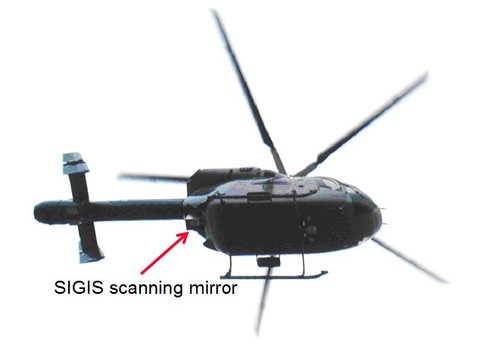
Fig. 3: SIGIS 2 and its installation in a helicopter
The system enables not only identification but also concentration estimation. Typical outputs are shown in Figs. 4 and 5.
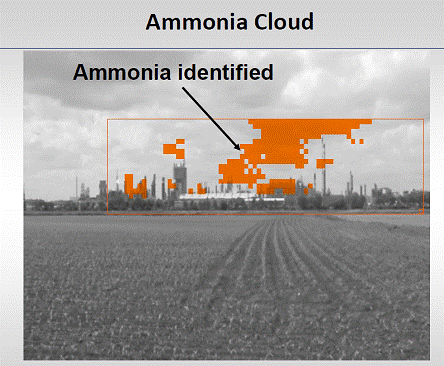
Fig. 4: Example of an identification output from the SIGIS 2 system.
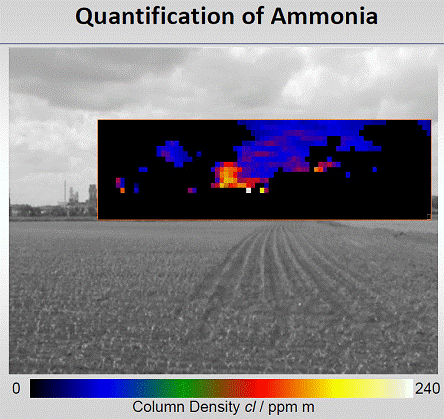
Fig. 5: Example of a quantification output from the SIGIS 2 system.
The high sensitivity is demonstrated in Fig. 6; the system is capable of detecting even the presence of alcohol in exhaled breath during a rock concert.
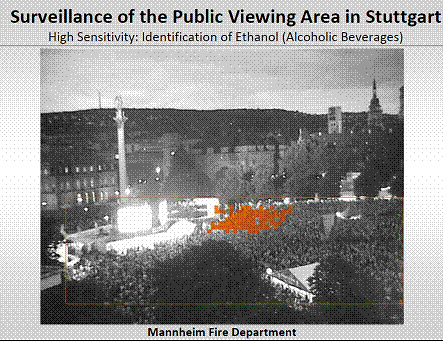
Fig. 6: Demonstration of the high sensitivity of the SIGIS 2 system.
For further information, see here SIGIS 2
